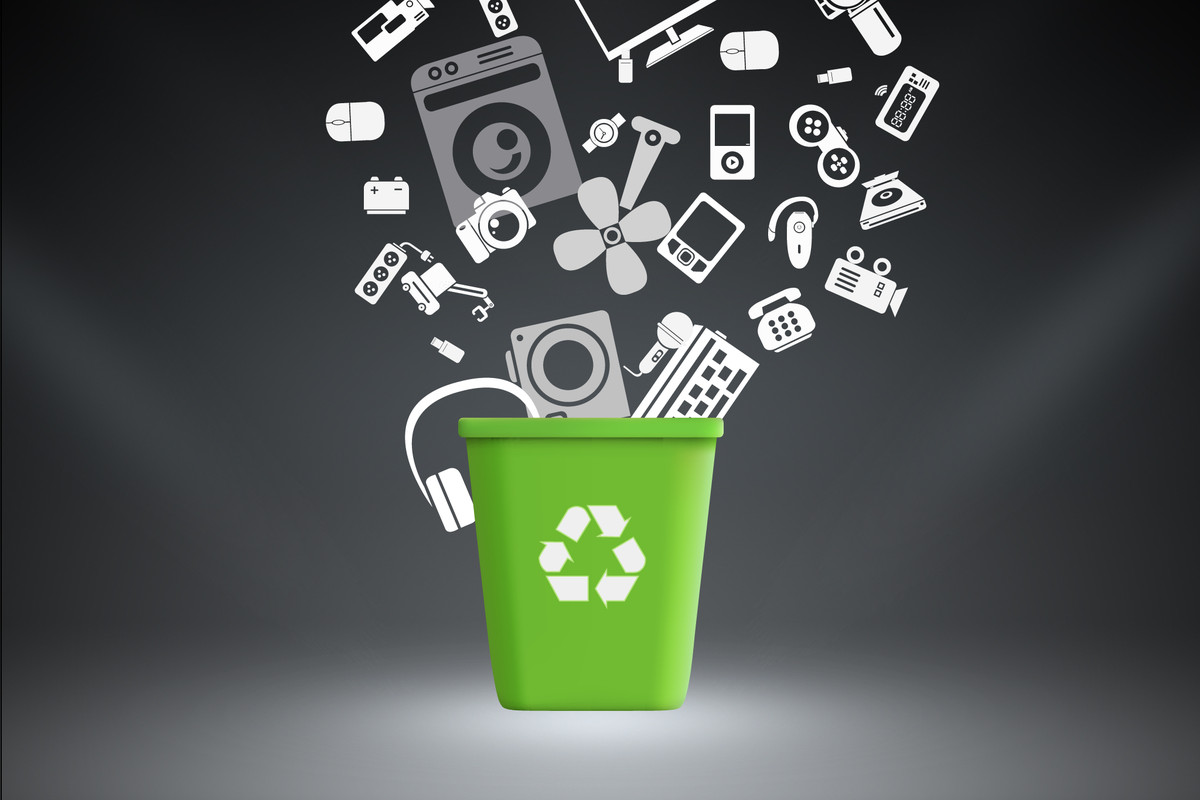
Beyond Regulations: The Global Push for Eco-Friendly Electronics
Moving towards eco-friendly electronics is not just about regulatory compliance; it's about setting the stage for a sustainable electronic future. Across the globe, a combination of rules and growing ecological awareness is catalyzing significant changes.
1. Regulatory Shifts and Extended Producer Responsibility
Extended Producer Responsibility (EPR) systems are reshaping how manufacturers handle electronics, ensuring they are accountable for their products well beyond the sale. In several regions, these policies are being expanded to cover more product categories like electronics and their packaging, driving companies to design with both end-use and environmental impact in mind. For instance, certain schemes require producers to facilitate e-waste collection and proper management, sparking innovation in product design aimed at recyclability. These regulations not only promote sustainable practices but also nudge businesses towards eco-conscientious production as a standard.
2. Market-Driven Sustainability Initiatives
Even outside of formal regulations, many companies are voluntarily adopting sustainable strategies, driven by consumer demand for ethical products and a burgeoning green brand image. Businesses are investing in "green" product designs and advanced recycling technologies. Additionally, the utilization of AI for tracking e-waste and maintaining transparency is growing. These market-driven initiatives underline a commitment to environmental responsibility that extends beyond compliance, shaping consumer behaviours towards sustainability as a preferred norm.
3. The Role of Innovation and Technology
Technological advancements significantly contribute to building a sustainable electronic future. Enhanced AI applications are being developed to streamline the dismantling of electronic devices, allowing for more efficient recovery of components and materials. Similarly, digital compliance tools are ensuring that products meet rising sustainability standards, fostering accountability across the electronic product lifecycle. In tandem with regulatory frameworks, these innovations are key to progressing effective e-waste management schemes.
From Waste to Resource: The Electronic Revolution in Recycling
Reframing e-waste as a valuable resource rather than merely discarded material heralds a pivotal shift in recycling practices. New technologies and methods are revolutionizing the way we recover these materials, transforming waste streams into resource cascades.
1. Recovering Valuable Materials
Electronic waste is composed of substantial amounts of recoverable materials, including precious metals like gold, silver, and copper. Traditional disposal methods often result in these resources being wasted, as shown in the data where 50% of e-waste ends up in landfills. Integrating advanced recycling technologies can change this, enabling the efficient recovery of these materials. Such practices reduce the necessity for new resource extraction, decrease energy use, and mitigate the environmental impacts associated with mining activities.
2. Closed-Loop Systems and Circular Economy
The essence of electronic recycling is the creation of closed-loop systems, integral to the circular economy ethos. Such systems ensure continuous reuse and recycling of materials, minimizing waste and optimizing material efficiency. By developing products that can be easily disassembled and the components recycled, manufacturers can significantly cut down on the need for virgin material inputs. Industries are adopting these closed-loop initiatives, demonstrating practical applications of circular economy principles that benefit the environment and create economic value.
3. Technological Advancements in Recycling
Recycling is becoming more sophisticated with technological advancements such as automated sorting and refined chemical processes. State-of-the-art sorting technologies enhance segregation of different materials, while more sustainable recovery processes like hydrometallurgy and pyrometallurgy ensure that precious metals and other valuable elements are efficiently reclaimed. Continuous research and development, bolstered by public and private sector collaboration, are imperative to further advancing these technologies and realizing the full potential of e-waste as a resource.
Bridging Policy and Awareness for a Greener Electronic Future
The interlinking of effective policy-making and widespread public awareness is crucial to championing sustainable electronic waste management. Together, they can drive engagement and accountability across all societal levels.
1. Strengthening Policy Frameworks
To truly promote a sustainable regime for electronics, robust and consistently enforced policy frameworks are essential. This includes implementing and expanding Extended Producer Responsibility schemes and creating incentives for eco-friendly innovations. Strong policies support the establishment of standards for product life-cycle management and ensure a level playing field for businesses. In addition, global cooperation to align e-waste regulations can help create coherent strategies for managing international e-waste challenges.
2. Raising Public Awareness and Education
Public education is central to effecting change in e-waste practices. By raising knowledge about the ecological impacts of e-waste and available recycling avenues, consumers can make informed decisions. Awareness campaigns should utilize various media platforms to reach different demographics effectively, emphasizing the significance of using certified recyclers and participating in take-back programs. Educational initiatives could also highlight the creative uses of recycled materials, bolstering the connection between consumer action and tangible environmental benefits.
3. Fostering Collaboration and Partnerships
Achieving a future where electronic waste is efficiently managed requires the concerted efforts of diverse stakeholders. Governments, industries, and communities must collaborate to share insights and resources, thereby implementing effective solutions across the electronic product life cycle. Such partnership models can include joint ventures in developing e-waste infrastructure, cross-industry knowledge exchanges for recycling technologies, and public-private sector partnerships to fund and advance sustainable practices. These collaborations are pivotal for overcoming challenges and unlocking inventive solutions that pave the way for a greener electronic landscape.
Transforming electronic waste management into a beacon of sustainability demands a multi-pronged approach encompassing technological innovation, strategic policy-making, and dynamic educational campaigns. By forging a combined effort, we can indeed turn e-waste challenges into sustainable opportunities, contributing to an eco-friendlier and economically resilient global system.
Q&A
-
What is the significance of recycling in promoting sustainability?
Recycling plays a crucial role in sustainability by reducing waste, conserving natural resources, and lowering greenhouse gas emissions. It helps minimize the need for raw materials, which in turn reduces deforestation, water pollution, and energy consumption associated with extraction and manufacturing processes. Additionally, recycling supports the creation of a circular economy, where materials are continuously reused, leading to more sustainable consumption patterns.
-
How do electronics recycling policies impact the environment?
Electronics recycling policies are designed to mitigate the environmental impact of electronic waste, which contains hazardous materials like lead, mercury, and cadmium. By enforcing proper disposal and recycling practices, these policies prevent harmful substances from contaminating soil and water. They also promote the recovery of valuable materials, such as gold and copper, which can be reused in new products, thus reducing the demand for virgin resources and the environmental footprint of electronics manufacturing.
-
What role does public awareness play in the effectiveness of recycling programs?
Public awareness is vital for the success of recycling programs as it influences consumer behavior and participation rates. Awareness campaigns educate the public about the environmental benefits of recycling, proper sorting techniques, and the locations of recycling facilities. When individuals are informed and motivated, they are more likely to engage in recycling activities, leading to higher recovery rates and a more efficient recycling system.
-
How does the concept of a circular economy relate to sustainability and recycling?
A circular economy is a systemic approach to economic development designed to benefit businesses, society, and the environment. It emphasizes keeping products, materials, and resources in use for as long as possible through recycling, reuse, and refurbishment. This approach contrasts with the traditional linear economy of "take, make, dispose" and aligns closely with sustainability goals by reducing waste, lowering carbon emissions, and conserving natural resources. By integrating recycling into the circular economy model, industries can close the loop and contribute to a more sustainable future.
-
What are some challenges faced by policymakers in promoting electronics recycling?
Policymakers face several challenges in promoting electronics recycling, including the rapid pace of technological advancements that lead to increased electronic waste, the complexity of electronics that makes recycling difficult, and the lack of standardized regulations across regions. Additionally, there is often insufficient infrastructure to support large-scale recycling efforts, and a lack of consumer awareness can hinder participation rates. To overcome these challenges, policymakers must implement comprehensive legislation, invest in recycling technologies, and foster public-private partnerships to enhance recycling capabilities.