Guardians of the Galaxy: Balancing Exploration and Preservation in Space
The exploration of space is not just a scientific endeavor but a profound responsibility. While we are eager to uncover the secrets of life beyond Earth, it's crucial that our quest does not harm the very ecosystems we aim to study. Balancing exploration with preservation is fundamental to our efforts as cosmic guardians.
Understanding Celestial Environments
To responsibly explore planets and moons, it’s essential to understand their environments. This involves analyzing their chemical compositions, climatic conditions, and geological features. Knowledge of these factors shapes our approach to space exploration, informing decisions that minimize environmental disturbance.
Studying cometary activity provides a lens into the early solar system, offering clues about the volatile compounds that might have seeded life on Earth or elsewhere. Techniques like interferometry decode complex molecular environments, enhancing our understanding of celestial bodies and guiding preservation-minded exploration strategies.
Integrating Exploration and Preservation
Modern astrobiology missions are designed with exploration and preservation in close consideration. Strategic mission planning involves selecting appropriate targets and implementing rigorous sterilization protocols to prevent contamination.
Astrobiologists engaged in exoplanet studies focus on identifying rocky worlds with habitable conditions. By understanding the geological and chemical characteristics of these planets, we identify promising candidates for further exploration while safeguarding against contamination. Interdisciplinary collaborations integrate insights from geology, chemistry, and biology, ensuring exploration activities respect extraterrestrial environments.
Safeguarding Human Space Exploration
Protecting astronauts is paramount, with significant efforts devoted to ensuring their health and safety during missions. Monitoring biochemical and nutritional status involves developing advanced diagnostics methods which are vital for maintaining astronaut well-being on long-duration missions.
Space health research initiatives support scientific development in this area, fostering innovations critical for safe exploration beyond Earth. Such initiatives promote analytical chemistry methods vital for ensuring both astronaut safety and environmental integrity, upholding our duty as responsible cosmic explorers.
From Mars to Europa: The Instruments Paving Paths to Alien Life
Our quest extends from Mars to Europa, driven by sophisticated instruments tailored to uncover signs of life in extreme environments. These tools harness advanced technologies to study planetary atmospheres, surfaces, and subsurfaces, enabling groundbreaking discoveries in life detection.
Crafting Cosmic Detectives: Advanced Instruments
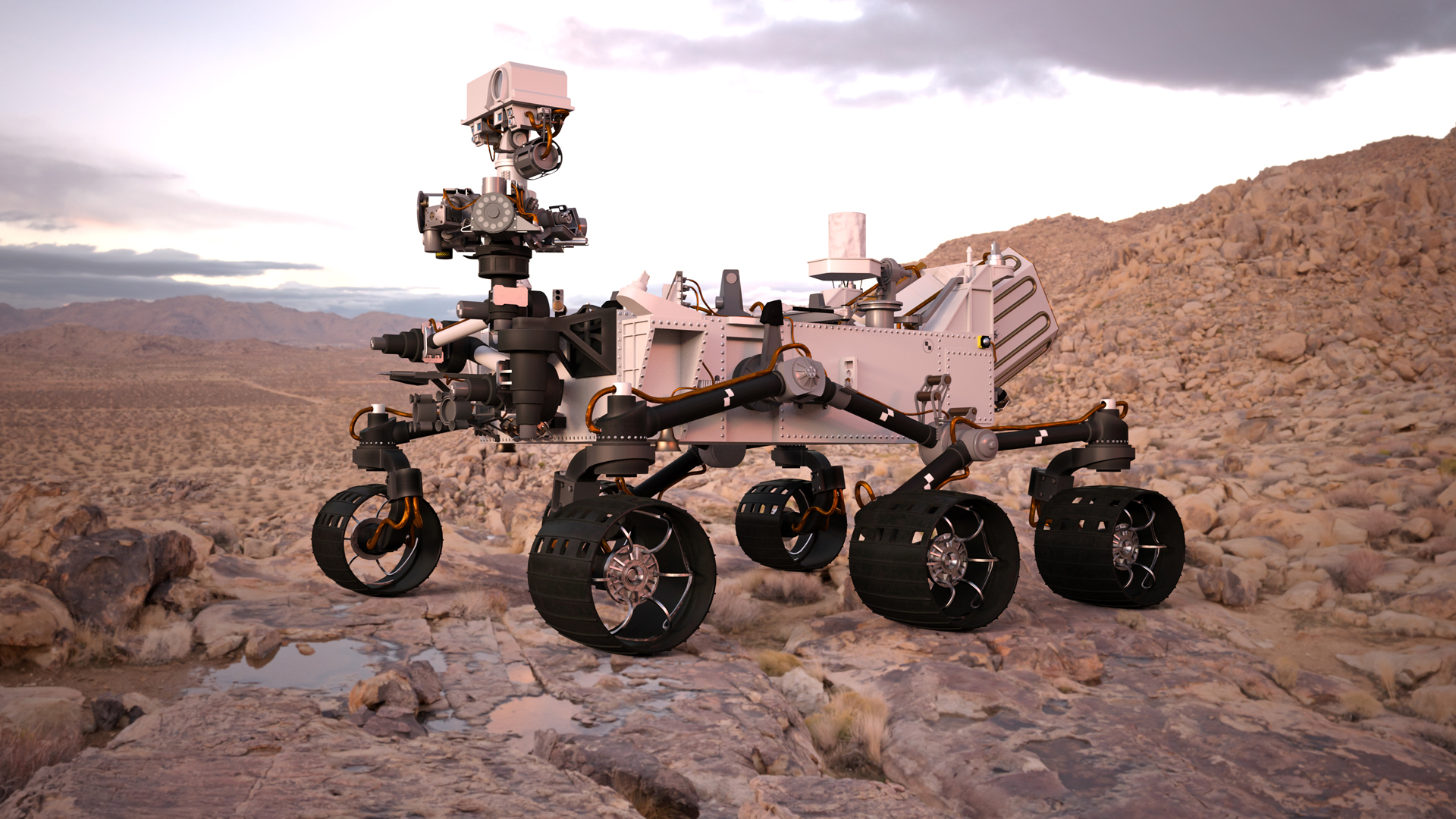
Astrobiology missions heavily rely on advanced scientific instrumentation to detect potential life indicators. The Mars 2020 Perseverance rover, for instance, exemplifies such cosmic detective tools. Equipped with technologies like SHERLOC and PIXL, it assesses Martian soil and rock compositions, seeking biosignatures under the harsh conditions of the Red Planet.
The Role of Perseverance
Included in the rover's toolkit are advanced spectrometers and a novel oxygen generator, MOXIE, aimed at producing oxygen from the Martian atmosphere. This is not just for scientific comprehension but also to lay groundwork for future human missions. Such instruments collectively provide vital insights into Mars' habitability potential and promote our search for ancient life traces.
Europa Clipper and Ocean Worlds
Turning towards Europa, one of Jupiter's moons, the upcoming Europa Clipper mission is crucial. This mission's suite of instruments will investigate Europa’s icy shell and hidden ocean, crucial for assessing habitability.
Europa's ice-penetrating radar, mass spectrometer, and thermal imaging technology are designed to explore its icy surface and subsurface ocean, searching for conditions conducive to life. Through these instruments, scientists aim to ascertain Europa’s potential for hosting microbial lifeforms.
Beyond Earth: Protecting and Detecting Life in the Cosmos
Astrobiology is a frontier of unprecedented challenges, demanding precision in detection while ensuring planetary protection. Our strategies must avoid contamination and ensure sensitive interpretation of data received from extraterrestrial environments.
The Importance of Planetary Protection
Protecting planets like Mars and moons like Europa from contamination is vital. Forward contamination with Earth-based organisms could jeopardize the search for indigenous life forms, introducing new biological risks to these pristine environments. Conversely, backward contamination involves protecting Earth from potential extraterrestrial microorganisms.
Sterilization Protocols and Mission Planning
Effective procedural protocols involve rigorous sterilization, site selection, and mission designs tailored to mitigate contamination risks. Instruments undergo processes like heat and chemical sterilization to maximize exploration safety.
Mission planning prior to landing on celestial targets includes selecting areas with minimal risk of contamination non-invasively, ensuring the pristine condition of extraterrestrial biospheres are maintained, facilitating legitimate discovery attempts.
Avoiding False Positives in Life Detection
Life detection must differentiate genuine signals from biological and non-biological sources. Identifying biosignatures involves considering a variety of possible explanations, ruled in through alternative evidence and analytical rigor geared to minimize false interpretations of life's presence. This diligence preserves the integrity and credibility of astrobiological findings, bringing clarity to mankind’s search for extraterrestrial life.
Q&A
-
What are the main objectives of astrobiology missions?
Astrobiology missions aim to explore and understand the potential for life beyond Earth. They focus on identifying habitable environments, detecting biosignatures that indicate past or present life, and understanding the chemical and physical processes that could support life in extraterrestrial settings. These missions often involve studying planets, moons, and other celestial bodies to assess their potential for supporting life.
-
How does a Mars Rover contribute to life detection on Mars?
Mars Rovers are equipped with sophisticated instrumentation designed to analyze soil, rocks, and atmospheric samples for signs of life. They help detect biosignatures by conducting on-site experiments and sending data back to Earth for further analysis. These rovers can identify organic compounds, measure environmental conditions, and explore diverse terrains to improve our understanding of Mars' habitability.
-
Why is Europa considered a promising target for exploration in astrobiology?
Europa, one of Jupiter's moons, is considered a promising target due to its subsurface ocean, which may harbor conditions suitable for life. The thick ice crust covering the ocean could protect potential life forms from harmful radiation. Missions to Europa aim to study the moon's ice shell, composition, and the potential for life within its ocean, making it a key target for future astrobiology missions.
-
What role does planetary protection play in space exploration?
Planetary protection is crucial in preventing biological contamination of both Earth and other celestial bodies. It involves guidelines and practices to ensure that space missions do not introduce Earth-originating life forms to other planets, which could compromise the search for indigenous extraterrestrial life. It also protects Earth from potential contamination by extraterrestrial materials brought back by spacecraft.
-
What are the challenges of detecting biosignatures in space missions?
Detecting biosignatures in space missions is challenging due to the need for highly sensitive and specific instruments capable of identifying life-related molecules amidst complex extraterrestrial environments. Additionally, the ambiguity of biosignatures—where non-biological processes might mimic signs of life—adds complexity to the interpretation of data. Ensuring that detected signals are genuinely indicative of life requires careful planning and execution of missions, along with rigorous analysis of the gathered data.