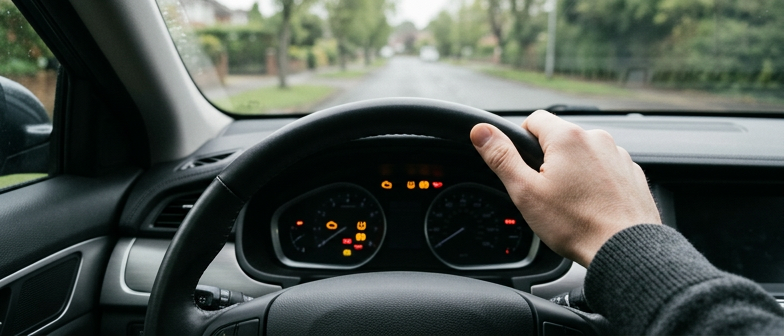
Understanding Your Dashboard Warning Light System
Modern vehicles use dashboard warning lights as a simple communication system between the car and the driver. Instead of describing faults in words, the instrument panel displays icons and colors that represent different vehicle warning symbols, from engine and battery issues to problems with safety systems. A practical dashboard warning light guide helps you recognize the most common car dashboard lights and understand the basic message each one is trying to send. When you know what these symbols mean, you can react calmly, decide whether it is safe to continue driving, and plan an appropriate visit to a repair shop or service center.
Most warning lamps follow a general color code that indicates urgency. Red lights usually signal a serious or safety‑critical problem, such as low oil pressure or a brake system issue, and often mean you should stop as soon as it is safe. Amber or yellow icons typically warn about something that needs attention soon, like stability control alerts or a maintenance reminder, while green or blue lights usually indicate that a system is operating, such as headlights or cruise control. Understanding this color system makes it easier to interpret different vehicle warning symbols at a glance and supports safer, more consistent responses to any car dashboard lights that appear while you drive.
| Light color | Typical meaning | Immediate driver response | Ongoing follow-up |
|---|---|---|---|
| Red | Safety‑critical issue | Pull over when safe | Arrange prompt professional check |
| Amber / Yellow | System needs attention | Drive cautiously | Book inspection or service |
| Green / Blue | System active or status | No action needed now | Review manual if unsure |
| Flashing any color | Condition changing or urgent | Reduce speed and risk | Seek advice if warning returns |
| Multiple lights on | Possible wider fault | Avoid long trips | Plan comprehensive diagnostic |
Engine and Powertrain Warnings
In any dashboard warning light guide, engine and powertrain symbols are among the most critical vehicle warning indicators. These car dashboard lights usually appear in red or amber and give early notice of possible mechanical or electronic problems. Understanding the main engine-related icons helps you recognise when systems that deliver power, manage emissions, or control fuel and air flow may not be working correctly. Even though layouts differ between models, most cars share a core group of engine symbols that drivers should learn before a fault appears.
The best known example is the check engine symbol, which sits at the centre of basic engine warning light knowledge. This icon, often shaped like a simplified engine block, can switch on for many reasons, from a loose fuel cap or minor sensor issue to more serious faults affecting ignition, fuel delivery, or exhaust systems. Because one light can signal both small and major problems, it should prompt you to drive calmly, avoid hard acceleration, and arrange a diagnostic check. Modern engine management stores fault codes, so a technician can read what triggered the alert instead of guessing.
Other powertrain indicators monitor systems such as automatic transmissions, traction and stability control, and all-wheel drive components. A transmission warning symbol might point to overheating fluid or shifting problems, while a powertrain malfunction alert can show issues with how the engine, gearbox, and drive shafts work together. If any of these icons appear and stay on, reduce speed, avoid towing or heavy loads, and follow the guidance in your car maintenance indicator section of the handbook to seek professional help.
Engine warning light basics and safe responses
In any dashboard warning light guide, the engine warning indicator is one of the most important symbols to understand. Shown as a stylised engine or “check engine,” it means the electronic control system has detected something out of range. Typical causes include emissions faults, ignition or fuel problems, a loose fuel cap, or an issue with sensors that monitor how the engine runs.
Safe responses depend on how the light behaves and how the car feels. A steady light with normal driving behaviour usually calls for gentler acceleration, avoiding high speeds, and booking a diagnostic check soon. A flashing light, rough running, loss of power, or strange noises mean you should slow down, stop in a secure place, and contact a professional rather than attempting complex repairs yourself.
Brake, Tire, and Stability System Indicators
Some of the most important vehicle warning symbols are tied to the brake system because they affect stopping power and safety. A red Brake System Warning Light often means the parking brake is on or that there is a fault in the hydraulic brakes. If it stays lit after you release the parking brake, or appears while driving, it can point to low brake fluid, worn parts, or a problem with electronic systems such as ABS. Any Dashboard Warning Light Guide treats this symbol as urgent and advises pulling over safely, checking simple causes, and arranging professional inspection instead of driving as normal.
The Tire Pressure Warning Symbol is a key part of modern Car Dashboard Lights, usually showing a tyre cross-section with an exclamation mark. It comes on when the tyre pressure monitoring system detects a tyre that is significantly under‑inflated or occasionally over‑inflated. Incorrect pressure can increase stopping distance, reduce grip in wet or icy conditions, and speed up uneven wear. General advice on dashboard warnings recommends checking pressures with a reliable gauge, inspecting for visible damage, and inflating or deflating to the levels specified by the vehicle manufacturer.
Stability and traction control indicators show how electronic systems are managing grip during acceleration, cornering, or sudden manoeuvres. A symbol of a car with wavy skid marks usually flashes when these systems intervene and may stay on if a fault is stored. When working properly they help maintain control and reduce the risk of skidding, but they cannot replace careful driving. A broader Car Maintenance Indicator Guide treats these Vehicle Warning Symbols as reminders to keep tyres, brakes, and suspension in good condition and to seek diagnosis if the lights remain illuminated or behave unusually.
Tire pressure and brake warning symbols in everyday driving
During everyday driving, the tire pressure warning symbol, often shaped like a tire cross section with an exclamation mark, may appear after temperature changes, long motorway trips, or hitting a pothole. In a broader dashboard warning light guide, it highlights underinflated tires before they harm handling or fuel use. If it stays on, safely stop, check the tires, adjust pressure when you can, and seek help if the warning remains or the car feels unstable. The brake system warning light, usually red with a circle and exclamation mark or the word BRAKE, can briefly appear at start‑up, stay on if the parking brake is partly engaged, or signal a fault. Because it affects stopping distance, make sure the parking brake is fully released and arrange inspection if the light does not go out.
Other Common Dashboard Alerts
Beyond the engine and brake indicators usually covered in a dashboard warning light guide, several other car dashboard lights appear frequently. A red battery icon often points to a charging system fault rather than the battery itself; if it comes on while driving, switch off non‑essential electrical items and plan to stop safely, as the vehicle may eventually lose power. A coolant temperature warning, often shown as a thermometer or waves, signals possible overheating. In this situation, avoid heavy acceleration, watch the temperature gauge if fitted, and pull over safely if the light stays on, allowing the engine to cool before checking coolant levels as described in your manual.
Other vehicle warning symbols relate to safety systems. An illuminated airbag or restraint system light means these protections may not deploy correctly, so arrange an inspection even if the car feels normal to drive. A stability or traction control symbol, often a car with wavy lines, usually flashes when the system is actively helping on slippery roads, but if it stays on, the system may be disabled and you should drive more cautiously. Understanding these common alerts and checking the handbook for model‑specific meanings helps you stay calm and use this information as a prompt to get issues checked before they become serious.
Q&A
-
What is the basic purpose of a dashboard warning light guide?
It helps you recognise common car dashboard lights, understand what systems they relate to, and decide whether you can keep driving or should seek prompt service. -
What does the engine warning light usually mean?
The engine warning symbol, often shown as a stylised engine, indicates the control unit has detected something abnormal, such as an emissions issue, ignition or fuel fault, or a loose fuel cap. -
How should I respond if the brake system warning light stays on?
Safely pull over, ensure the parking brake is fully released, and avoid normal driving until a technician checks for low fluid, worn parts, or electronic brake problems. -
Why is the tire pressure warning symbol important in everyday driving?
It alerts you to underinflated tires that can affect handling, braking, and fuel use, so you can stop safely, adjust pressures, and seek help if the light or instability remains. -
What does a car maintenance indicator light generally tell me?
The maintenance indicator usually signals that scheduled service, such as oil changes or inspections, is due according to the vehicle’s maintenance plan, rather than an immediate fault.