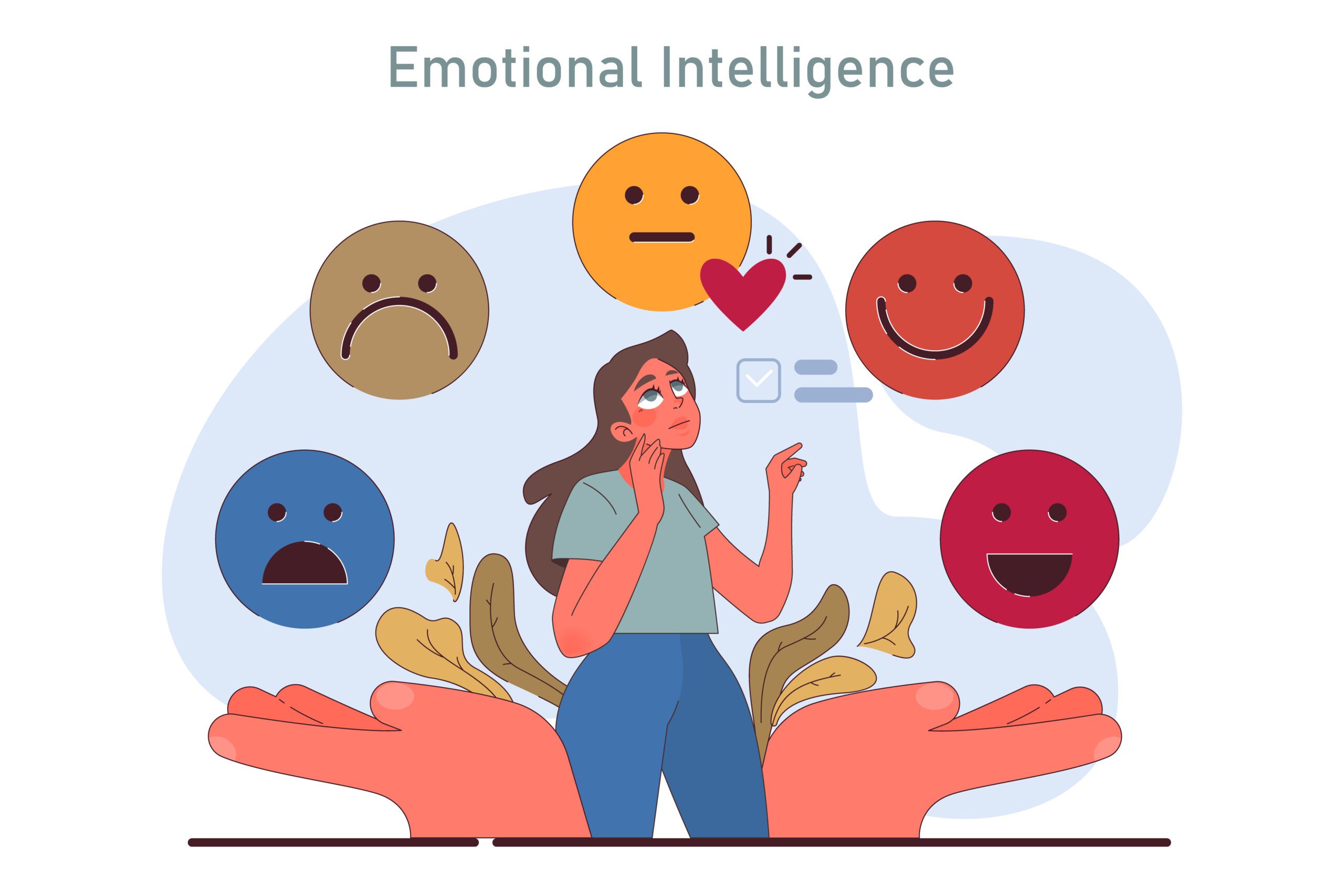
Rethinking Relationships: The Role of Emotional Intelligence in Connection
Emotional intelligence serves as a vital component in building deep and meaningful relationships. It not only helps navigate personal interactions but also enhances professional dynamics. By understanding emotional cues, individuals can forge stronger and more empathetic connections, leading to enhanced satisfaction in various relationships.
1. Emotional Intelligence and Relationship Satisfaction
A strong correlation exists between emotional intelligence and relationship fulfillment. Individuals with elevated emotional awareness tend to experience more satisfaction and fewer conflicts in their interpersonal connections. By recognizing and understanding emotions—both their own and those of others—they develop the ability to respond thoughtfully rather than react impulsively. This self-regulation fosters a constructive approach to resolving disagreements and nurturing relationships, paving the way for sustained happiness and mutual understanding.
2. Empathy: The Heart of Connection
Empathy, a pivotal element of emotional intelligence, facilitates deep emotional bonds by enabling individuals to resonate with others' feelings genuinely. This understanding promotes a culture of openness and trust, critical in forming healthy relationships. Individuals who prioritize empathy over winning arguments nurture a collaborative and supportive environment. This focus on connection and mutual understanding not only strengthens emotional bonds but also enhances relational adaptability, creating more resilient partnerships.
3. Building Relational Resilience
Strengthening emotional and relational intelligence equips individuals to handle relationship challenges effectively. By cultivating skills such as emotional regulation, communication, and intimacy, individuals and couples can navigate conflicts more efficiently and reinforce their connections. This resilience is invaluable, particularly during changing circumstances or periods of stress, ensuring that relationships remain robust and supportive. Institutions that prioritize these skills through training and development programs witness more stable and fulfilling relational dynamics.
Stress Mastery: Turning Pressure into Personal Growth
Handling stress effectively is pivotal in leading a productive and fulfilling life. Emotional intelligence offers the tools needed to not only cope with stress but also transform it into a pathway for personal growth, enhancing resilience and adaptive capacity.
1. Understanding the Impact of Stress
Recognizing how stress affects us is the first step towards managing it constructively. Stress can manifest physically, emotionally, and mentally—often through symptoms like headaches, anxiety, or irritability. Awareness of these symptoms allows for proactive management before stress levels become unmanageable. Furthermore, perceiving stress as a potential motivator rather than solely a negative force can transform it into an opportunity for growth, stimulating productivity and enhancing performance.
2. Emotional Intelligence as a Buffer Against Stress
Self-awareness, a core component of emotional intelligence, enables individuals to identify stress indicators and emotional responses, fostering informed decision-making. Self-regulation, meanwhile, assists in managing reactions, thereby avoiding fuel to stressful situations. Empathy and social skills provide additional layers of resilience, enabling individuals to form support networks that buffer against the adverse effects of stress. This network provides a sense of belonging, reducing feelings of isolation and reinforcing stress-resistant mindsets.
3. Practical Strategies for Stress Mastery
Emotional intelligence offers practical strategies to master stress. Techniques such as mindfulness, cognitive reappraisal, and setting achievable objectives equip individuals to handle stress more positively. Mindfulness, through meditation or deep breathing, grounds individuals in the present, easing anxiety. Cognitive reappraisal involves reframing stressful situations into opportunities for growth, while realistic goal-setting breaks daunting tasks into manageable steps, preventing overwhelm. Prioritizing self-care through healthy lifestyle choices further bolsters emotional and physical well-being, reinforcing stress resilience.
Fostering a Positive Outlook: Emotional Intelligence as a Catalyst for Joy
Emotional intelligence significantly contributes to cultivating optimism and happiness, regardless of circumstances. By honing self-awareness and empathy, individuals can navigate life's challenges with a positive disposition, finding joy even during adversity.
1. Understanding and Managing Emotions
A profound understanding of one's emotions forms the basis of a positive outlook. Self-awareness allows individuals to identify emotional triggers and adopt strategies to manage reactions effectively. This proactive approach prevents negative emotions from taking control, fostering a balanced emotional state conducive to happiness. Embracing mindfulness, reflection, and positive affirmations additionally strengthens emotional resilience, facilitating a positive perspective and a constructive response to life's ups and downs.
2. Empathy and Positive Relationships
Empathy lays the foundation for meaningful connections that lead to joy and fulfillment. By appreciating others' perspectives, individuals create environments of trust and support, fostering healthy relationships across various settings. In professional contexts, a keen sense of empathy enhances teamwork and morale, contributing to a fulfilling work experience. This collaborative spirit encourages open communication, building a cohesive team dynamic that supports shared progress and satisfaction.
3. Resilience and Adaptability
Resilience, underpinned by emotional intelligence, is critical in overcoming adversity and maintaining a positive outlook. Psychologically flexible individuals harness emotional intelligence to adapt to change and reinterpret setbacks as learning opportunities. This approach not only mitigates stress but also transforms challenges into catalysts for personal growth, reinforcing optimism. Engaging in regular reflection and visualization deepens this resilience, enabling individuals to navigate adversity with grace and positivity.
Q&A
-
What is the significance of self-control in personal development?
Self-control is crucial for personal development as it helps individuals regulate their emotions, behaviors, and desires in the face of external demands. It allows people to set and achieve personal goals, maintain focus, and resist impulsive actions that may lead to negative outcomes. By enhancing self-control, individuals can improve their decision-making abilities and lead more disciplined lives.
-
How can empathy building improve interpersonal relationships?
Empathy building is essential for fostering strong interpersonal relationships as it involves understanding and sharing the feelings of others. By developing empathy, individuals can communicate more effectively, resolve conflicts amicably, and create a supportive environment. This emotional connection can enhance trust and cooperation, leading to more fulfilling and meaningful relationships.
-
What strategies can be used for effective stress adaptation?
Effective stress adaptation involves identifying stressors and implementing strategies to manage them. Techniques such as mindfulness, regular physical activity, and time management can help individuals cope with stress. Additionally, seeking social support and maintaining a balanced lifestyle are crucial for building resilience and reducing stress-related impacts on mental and physical health.
-
Why is social awareness important in a community setting?
Social awareness is important in a community setting because it involves recognizing and understanding the dynamics and needs of different social groups. By being socially aware, individuals can contribute positively to their communities, promote inclusivity, and address social injustices. This awareness fosters a sense of belonging and collective responsibility, ultimately leading to stronger and more harmonious communities.
-
How do relationship skills contribute to professional success?
Relationship skills, such as effective communication, teamwork, and conflict resolution, are vital for professional success. These skills enable individuals to collaborate efficiently, build strong professional networks, and navigate workplace challenges. By cultivating strong relationship skills, individuals can enhance their career prospects, improve job satisfaction, and contribute positively to organizational goals.
-
What role does a positive outlook play in achieving personal and professional goals?
A positive outlook can significantly impact the achievement of personal and professional goals by fostering resilience and motivation. Optimistic individuals are more likely to perceive challenges as opportunities, maintain perseverance in the face of setbacks, and inspire others around them. This positive mindset can lead to increased productivity, creativity, and overall success in various aspects of life.