When The Car Thinks It Knows Better Than You
The moment decisions quietly shift from hands to code
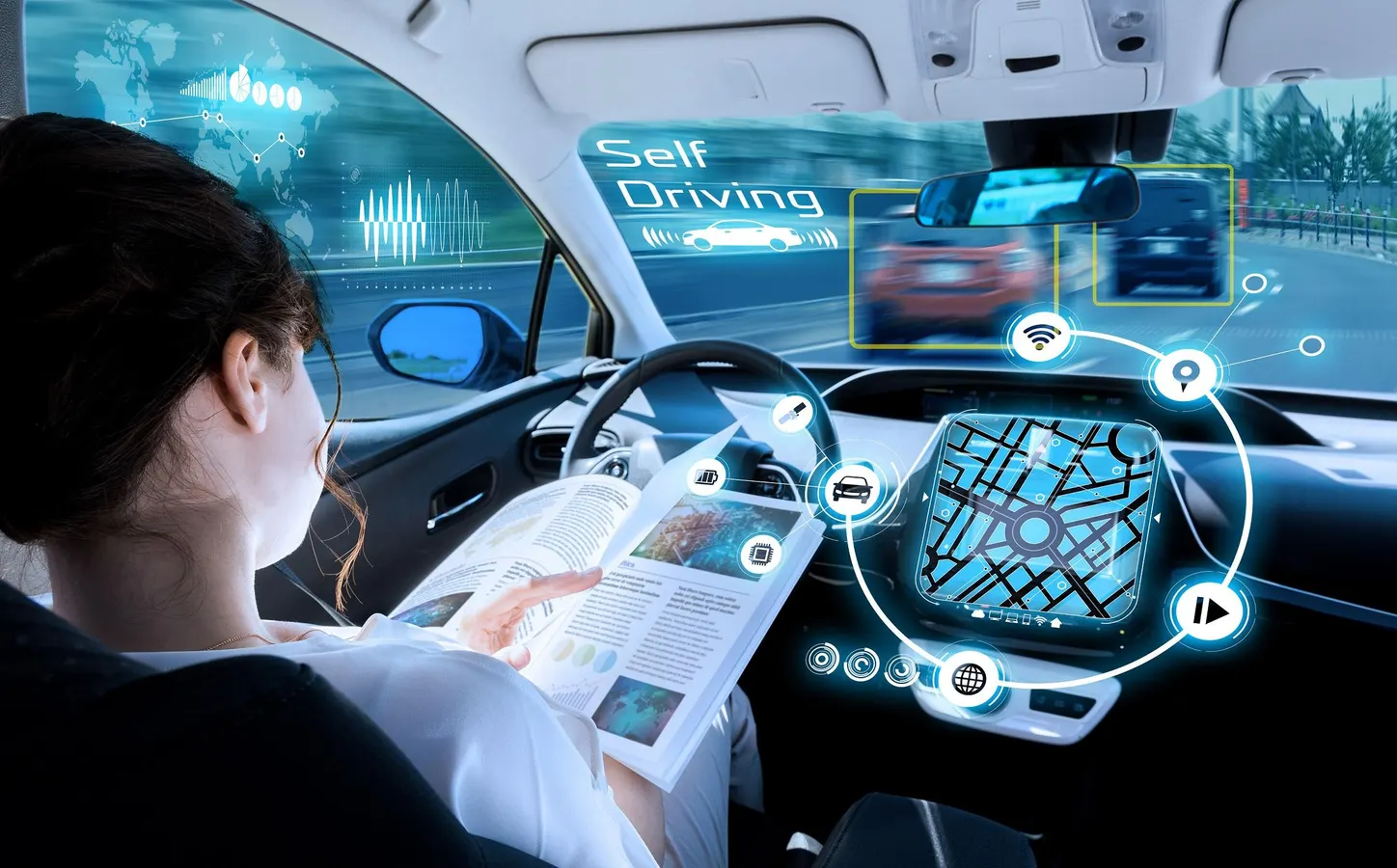
Sitting behind the wheel once meant every action was clearly yours. Press the pedal, turn the wheel, accept the praise or the blame. Now, many vehicles watch lanes, match speed, slip into parking spaces and nudge away from danger almost before drivers notice anything is wrong. A dense stack of sensors and software filters every movement, editing human input on the fly. That edit can be subtle—a gentle steering nudge—or dramatic, like a sudden stop. In the aftermath of a near‑miss or collision, it becomes murky who truly acted: the person, the control unit, or some hidden algorithm released in a recent update. This shared control is powerful, but it also makes responsibility much harder to untangle.
When small glitches sit uncomfortably close to real risk
Early warning signs rarely look dramatic. A frozen touchscreen, a lagging navigation map, a system that quietly reboots while the car is moving all feel like ordinary gadget problems. But when core functions—cameras, climate, rear views, configuration of crucial assistance features—live behind that screen, a minor glitch can cascade into genuine danger. Recalls linked to braking, steering or perception components underline how fragile this partnership can be. Drivers sense something is “off” yet cannot tell whether the road is slippery, their attention slipped, or a silicon sensor misread the world for a split second. Even they may not know how much was truly under their control when the vehicle surged, wandered or stopped.
Blame stretched across a long invisible chain
Once a crash happens, responsibility fans out quickly. The driver sat in the seat. The vehicle brand chose which functions to enable by default and how boldly to market them. Suppliers built cameras, radar units, actuators and the code stitching them together. Officials wrote safety rules and granted approvals. Insurers must turn that tangle into a simple decision about who pays. Each side can point elsewhere: the driver should have stayed alert, the software followed its design, the component passed tests, the road markings were poor. Sorting out this knot is becoming one of the hardest parts of the journey toward higher automation, long before cars truly drive alone.
Steering, Code And The Fragile Feeling Of Control
When the wheel is no longer mechanically in charge
Steering used to be the ultimate symbol of direct control: turn the rim, the front wheels obey, no questions asked. In newer architectures, electronic interpretation increasingly sits between hands and tyres. Sensors read the angle and torque at the wheel, control units decide how strongly the road wheels should respond, and actuators carry out that plan. The upside is impressive precision. Steering can feel light in parking lots and reassuringly firm at speed. Assistance features can gently nudge the car back toward the centre without fighting solid metal linkages. Energy savings and interior design also benefit from fewer bulky mechanical parts running the length of the car.
New precision, new points of failure
Shifting such a critical function into the digital realm inevitably opens fresh vulnerability. An incorrect reading of the wheel angle, a sluggish actuator, a rare software bug or electromagnetic interference can all, in theory, twist the car in ways the driver did not intend. Engineers respond with backup circuits, fallback modes and strict safety monitoring, but they cannot test every combination of wear, dirt, heat, user behaviour and unlikely coincidences. When investigators later find an odd steering input in data logs, competing stories emerge: the driver claims steady hands, the component supplier shows robust test results, the brand insists the feature operated within its stated limits. For the person in the crash, the distinction between human and system error may never feel truly resolved.
High‑tech features, high expectations
Electronic steering and rich assistance suites often arrive first in premium models carrying sophisticated marketing. Owners may reasonably expect that higher price, glossy ads and frequent updates translate into dramatically higher safety. When reality falls short—through a frightening intervention, a confusing warning, or a recall that hints at deeper issues—frustration quickly turns into public debate. Questions surface about whether the industry moved too fast, leaned too heavily on software fixes, or treated early buyers as informal testers. Those debates matter, because they shape how readily people in English‑speaking markets will welcome the next wave of automation on their streets and highways.
Software That Never Sits Still
From frozen playlists to safety‑relevant blackouts
For many drivers, the most visible sign that cars have become computers on wheels is the large central screen. Navigation, music, messages, climate, camera views and configuration all crowd into a single glossy surface. When that surface freezes or reboots during a journey, the annoyance is obvious. Less obvious is what disappears during those seconds: the reversing view that helps avoid a child’s bike, the defrost control needed in rain and mist, the interface for adjusting following gaps or lane‑centering strength. As more core functions migrate away from physical buttons, the line between “infotainment” glitch and genuine safety issue grows thin.
Updates that subtly change how a familiar car behaves
Over‑the‑air updates promise a quieter life: no need for a workshop visit whenever engineers improve a feature. Yet each new software package can alter timing, sensitivity and interactions in subtle ways. Automatic braking might become a little more assertive, lane‑centering slightly more eager, alerts marginally louder or delayed. Drivers often accept new terms and tap “install” without knowing exactly what has changed. The next day, they find the same steering wheel and seat, but a vehicle that responds just differently enough to surprise them at the wrong moment. When a collision follows soon after an update, arguments erupt about whether the human failed to adapt or the developers failed to communicate.
Complexity hiding behind simple menu choices
Modern cabins increasingly push configuration into layered menus: assistance mode on or off, warning intensity, steering style, speed offsets, and more. Ordinary people are quietly asked to assemble their own safety profile without any real training. If something goes wrong, it is tempting to blame “incorrect settings” or inattentive reading of manuals. Yet designing a car that demands near‑expert knowledge to configure safely is itself a design choice. True user‑centred safety would treat limited patience and imperfect understanding as core constraints rather than faults. Interfaces, defaults and explanations become as important as sensor quality when lives depend on what people believe their car will do.
| Choice area | Typical “comfort” preference | Potential safety‑focused alternative |
|---|---|---|
| Alert style | Fewer chimes, softer warnings | Earlier, clearer prompts, even if slightly annoying |
| Lane guiding strength | Gentle correction, minimal steering feel | Firmer centering to prevent slow drift on fatigue |
| Update timing | Install silently in background | Require driver confirmation and brief explanation of key behaviour changes |
Thoughtful defaults and transparent communication can reduce the gap between what drivers want to feel and what keeps them safest.
Streets, Rules And The Future Of Responsibility
Test tracks, city centres and the patchwork of local limits
As automation creeps from parking lots onto busy avenues, officials in different jurisdictions experiment with controlled zones, restricted speeds and special signage. Some areas encourage trials on carefully mapped routes; others remain cautious, limiting higher‑level autonomy to specific corridors or prohibiting it entirely. Residents in English‑speaking regions encounter a patchwork: one city might host pilot shuttles on business‑park loops, another quietly allows advanced features on ring roads but not in dense cores. This fragmented landscape makes it harder for drivers to know when their car’s most capable modes are really intended to be used and when they are essentially in uncharted territory.
Who answers when machines and humans share the wheel?
Traditional liability frameworks were built around a simple assumption: a human controlled the vehicle at all times. Now, logs may show that code overruled the person or that certain functions were active when a crash occurred. Insurers and courts must decide whether the human should have disengaged the system, whether the brand set expectations responsibly, and whether the underlying design made foreseeable misuse too easy. Manufacturers may argue that features are only “assistive” and that manuals clearly warn about limitations. Injured parties may respond that glossy marketing, sleek interfaces and reassuring names strongly suggested something closer to a robotic chauffeur.
Building a more honest relationship with automation
A safer future does not require blind faith in self‑directed vehicles, nor reflexive rejection of them. It asks for a more honest relationship among drivers, developers and regulators. That means making system limits explicit, not buried in fine print; recording and sharing anonymised incident data so patterns can be fixed quickly; and resisting the temptation to oversell convenience as if it were guaranteed protection. For people who simply want to get to work, pick up children or enjoy a weekend drive, the key is clarity: knowing when to lean on digital co‑pilots, when to treat them as training wheels, and when to take full, undistracted command. As cars quietly assume more responsibility for seeing, predicting and reacting, the most important question on English‑speaking roads is not just what they can technically do, but who ultimately stands behind their choices when something goes wrong.
Q&A
-
How do driver-assist systems differ from fully autonomous driving, and what risks arise from confusing the two?
Driver-assist supports human drivers with tasks like lane-keeping and adaptive cruise control, but the driver remains responsible. Misunderstanding this can lead to over‑reliance, reduced attention, and higher crash risk in complex conditions. -
Why are lidar sensors considered critical for safety in dense urban testing zones?
Lidar provides precise 3D mapping and accurate distance measurement, which is vital for detecting pedestrians, cyclists, and small obstacles hidden between vehicles, dramatically improving reaction times in crowded city streets and intersections. -
How do evolving safety regulations influence the design and rollout of driver-assist systems?
Regulations dictate minimum performance, data logging, and human‑machine interface standards, forcing manufacturers to refine algorithms, improve fail‑safe behavior, and add clearer driver monitoring before wider deployment is legally allowed. -
What liability issues can arise when a crash involves driver-assist systems and recent software updates?
Disputes typically center on whether the driver misused the system, whether the software update introduced or failed to fix a defect, and if the manufacturer adequately warned users, documented changes, and provided proper update verification. -
How should manufacturers manage over-the-air software updates to maintain safety and compliance in urban testing zones?
They should use staged rollouts, extensive simulation on urban scenarios, clear release notes, rollback mechanisms, and post‑update monitoring to quickly spot anomalies, while ensuring updates stay aligned with the latest local regulations.